
Brisbane, Australia, is a city with a rich tapestry of cultural heritage, marked by its historic landmarks and cherished artifacts. From the iconic Story Bridge to the ancient collections housed in the Queensland Museum, Brisbane’s history is both diverse and fascinating. These sites and objects not only tell the story of the city’s past but also connect residents and visitors alike to its cultural roots.
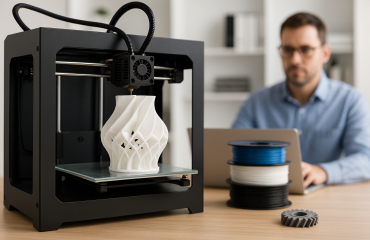
In recent years, a revolutionary technology has started playing a pivotal role in preserving such treasures: 3D printing. This innovative method involves creating three-dimensional objects from a digital file, layer by layer. It has grown more important in cultural preservation because of its capacity to reproduce complex details accurately and provide conservation solutions without harming the original artifacts.
3D printing in Brisbane is gaining momentum as local institutions and historians begin to explore its potential. By using 3D printing, they can produce accurate replicas of fragile or eroded items, allowing the public to experience and interact with historical pieces without risking damage to the originals. This technology not only helps in maintaining the physical integrity of artifacts but also ensures that Brisbane’s historical legacy is passed on to future generations intact.
This combination of ancient heritage and modern technology highlights a growing trend in cultural preservation, showcasing how Brisbane is embracing innovative solutions to safeguard its historical narrative.
The Intersection of Technology and Tradition
3D printing is a fascinating technology that builds objects layer by layer from digital designs. This method can use various materials, such as plastics, resins, and metals, to create precise and detailed physical objects. The flexibility and accuracy of 3D printing make it incredibly useful for many applications, from medical devices to architectural models and everything in between.
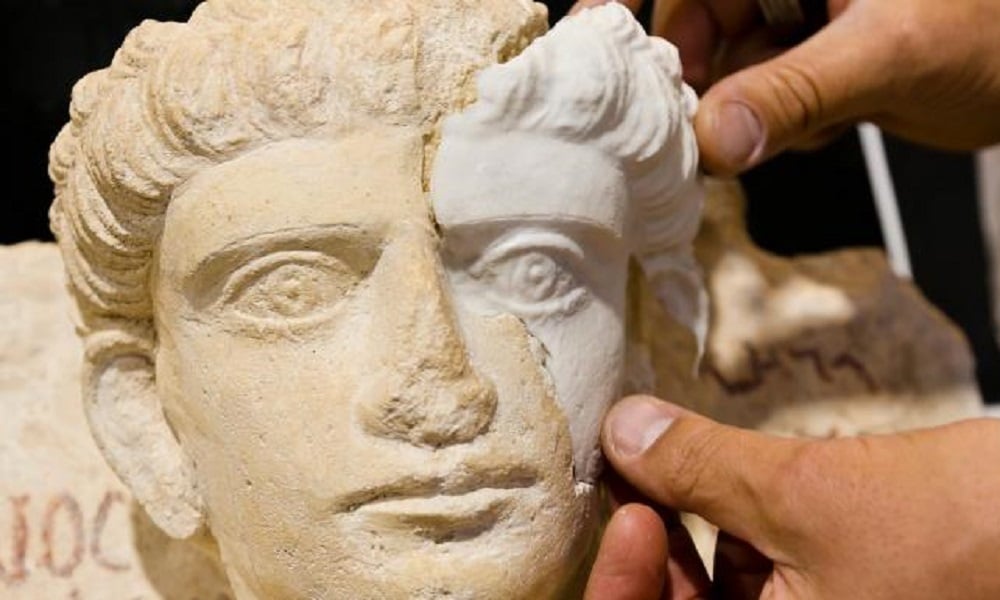
In the world of cultural heritage preservation, 3D printing has become an innovator globally. Museums and historical societies use it to restore damaged artifacts, replicate ancient objects for educational purposes, and even reconstruct parts of historical sites that have been lost to time. For instance, archaeologists have used 3D printing to recreate ancient sculptures and fossils, allowing experts and the public to handle and study priceless treasures without causing any harm to the original pieces.
In Brisbane, the application of 3D printing technology is beginning to make its mark. Brisbane 3D printing services are exploring ways to support local heritage projects. For example, a 3D print in Brisbane might involve replicating artifacts from the local museum that are too fragile to be displayed. This not only helps in preserving the original artifact but also makes history more accessible to everyone, allowing people to see, touch, and understand the past in ways they never could before. This intersection of technology and tradition is providing Brisbane with new opportunities to celebrate and preserve its cultural identity for future generations.
Advantages of 3D Printing in Preservation
3D printing is transforming the way we preserve history, offering several key advantages that make it an essential tool for cultural conservation.
Cost-Effectiveness
Traditional methods of restoring historical artifacts can be very expensive. These processes often require the expertise of skilled craftsmen and the use of rare, sometimes costly, materials. However, with 3D printing, the costs are significantly reduced. This technology allows for accurate replicas to be made at a fraction of the cost of traditional restoration. In Brisbane, 3D printing services are adopting this method to help local museums and historical sites preserve their collections without breaking the bank.
Precision and Accuracy
One of the most impressive features of 3D printing is its ability to replicate the intricate details of historical artifacts with high precision. Whether it’s the delicate patterns on an ancient ceramic or the complex texture of a fossil, 3D printers can capture these details flawlessly. This precision is crucial for the preservation of artifacts, as it ensures that every nuance of the original is retained in the replica, allowing for a more authentic experience.
Accessibility
3D printing also enhances accessibility to historical artifacts. Often, valuable and fragile items must be kept under strict conditions and can only be handled by professionals to avoid damage. By using 3D printing to create accurate replicas, these artifacts can be made available to the public for educational purposes. Schools, universities, and even the general public can handle these replicas, learning about their significance and details up close. This approach not only protects the original artifacts but also democratises access to our shared cultural heritage.
The use of 3D print Brisbane for cultural preservation is opening up new possibilities for both protecting and sharing historical treasures. By adopting this technology, we can preserve our cultural heritage, making it understandable and valued by future generations.

The image used for illustration purposes. Zeal 3D is not the owner or creator of the image.
Challenges and Considerations
While 3D printing offers many benefits for preserving cultural heritage, it also comes with its own set of challenges and considerations. Let’s explore some of these issues in the context of 3D printing Brisbane.
Technical Challenges
One of the main hurdles in using 3D printing for cultural preservation is the technical complexity involved in scanning and printing artifacts. Some historical objects have intricate details or are made from materials that are difficult to scan accurately. Additionally, the size and fragility of certain artifacts can pose challenges in creating a detailed digital model without causing damage to the original item. In Brisbane, technicians and conservators must continually advance their skills and use sophisticated equipment to overcome these technical challenges and ensure that replicas are as accurate and detailed as possible.
Ethical Considerations
Reproducing cultural artifacts through 3D printing also raises ethical questions. For instance, there are concerns about the authenticity and ownership of replicas, especially when the original artifacts hold significant cultural or sacred value to communities. It’s important to consider who has the right to reproduce such items and how these replicas should be used. In Brisbane, professionals involved in 3D printing must work closely with cultural experts and community leaders to navigate these ethical dilemmas, ensuring that the reproduction of artifacts respects the values and traditions of the communities to which they belong.
Balancing Modern and Traditional Methods
Finally, there’s the issue of balancing modern restoration techniques, like 3D printing, with traditional conservation methods. While 3D printing provides an innovative way to preserve and share cultural heritage, it’s essential to maintain a balance so that traditional skills and techniques are not lost. This balance is crucial in places like Brisbane, where both the historical significance and the conservation skills are part of the city’s cultural legacy. The goal is to integrate 3D printing into a broader conservation strategy that respects and incorporates traditional methods whenever possible.
Overall, while 3D printing in Brisbane presents exciting opportunities for cultural preservation, addressing these challenges and considerations is key to its successful integration into heritage conservation efforts.
Future Prospects
Looking ahead, the future of 3D printing in Brisbane holds exciting possibilities, especially in the field of cultural preservation. This technology is continually evolving, and with it, the opportunities to protect and celebrate Brisbane’s heritage are expanding.
Emerging Technologies in 3D Printing
As technology advances, so do the capabilities of 3D printers. Emerging technologies, such as enhanced 3d scanning techniques and the use of new materials that better mimic the properties of original artifacts, are set to innovate how we preserve historical objects. For example, newer 3D printers can produce replicas that not only look like the original but also feel similar in weight and texture, providing a more authentic experience. These advancements will enable even greater detail and accurate reproductions of complex artifacts, making Brisbane’s cultural preservation efforts more effective.
Potential Future Projects in Brisbane
With the growth of Brisbane 3D printing technology, several potential projects could benefit from these advancements. Historical buildings that require restoration of ornate details, such as those found in the Brisbane City Hall, could use 3D printed elements to replace damaged or missing pieces. Similarly, museums could undertake projects to create full-scale replicas of large items, such as dinosaur skeletons, allowing for wider public engagement and education without risking the original specimens.
Role of Local Government and Institutions
The local government and cultural institutions have a critical role in supporting these technological initiatives. By investing in 3D printing technology and training, local authorities can ensure that Brisbane remains at the forefront of cultural preservation. Additionally, grants and funding can be provided to museums and academic institutions to embark on 3D printing projects, fostering a collaborative environment between technologists, historians, and educators. This support not only promotes the preservation of heritage but also encourages community involvement and education, ensuring that Brisbane’s history is accessible to everyone.
As Brisbane 3D printing technology continues to develop, the possibilities for preserving and sharing the city’s rich cultural heritage will only grow, paving the way for innovative projects and continued community engagement in the preservation of our shared history.
3D printing is emerging as an essential tool in preserving the rich cultural heritage of Brisbane. This innovative technology not only offers cost-effective solutions for restoring and replicating historical artifacts but also provides unprecedented precision and accessibility. As we look forward, the potential of 3D printing in Brisbane and across Australia is boundless, with emerging technologies promising even greater enhancements in cultural preservation.
The role of local government and institutions is crucial in nurturing these advancements, ensuring that the benefits of 3D printing are fully realised. By supporting such initiatives, Brisbane can continue to protect its historical treasures, making them available and available for future generations to study and appreciate. Indeed, the fusion of technology and tradition through 3D printing represents a new chapter in the preservation of our cultural legacy, marking an exciting path forward in the conservation of Australia’s rich historical tapestry.