Casting Services_Zeal 3D
Advanced Manufacturing

Advanced Manufacturing Technology

We provide advanced manufacturing services in technologies like 3d printing, CNC machining, vacuum casting, injection molding, etc.

on time project delivery


With locations in all over Australia we can assure lightning fast delivery.

Australia wide expandation


Zeal 3D is present in
Victoria, NSW, Western Australia,
Queensland and Tasmania.

Experienced Engineers


Team of expert engineers with more than 15 years of experience.

Casting Service

Are you in search of reliable, long-lasting, and efficient casting services? Look no further. At Zeal 3D, we offer the best casting solutions catered to your needs and demands. Serving industries like automotive, aerospace, and construction, we specialize in delivering high-precision, complex metal parts that excel under the toughest operating conditions. With revolutionary technology and perfectionistic work ethics, we deliver flawless, reliable, and high-performance cast parts, every time. Choose Zeal 3D—where precision meets performance, and rest assured that your casting needs are always in expert hands.

What is Casting?

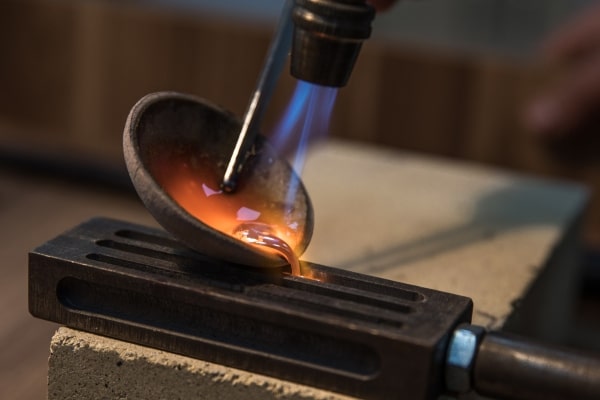
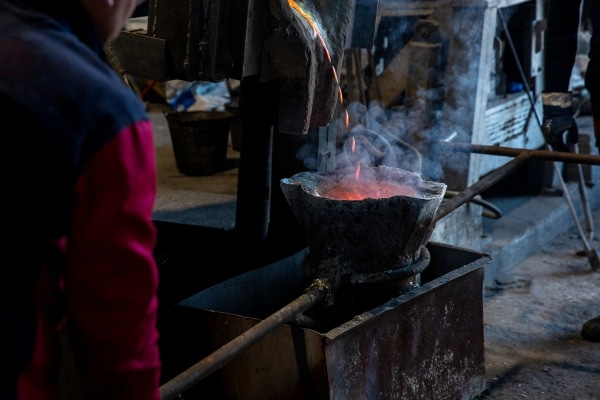
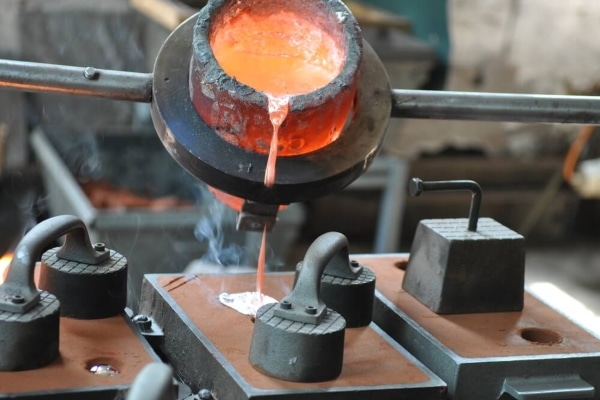
The process of casting involves molten metal being poured into a mould specifically designed for a custom part, cooled, and then congealed into a desired form. It is a common practice in industries worldwide, and its use is widespread, as it can produce complex, high-precision parts that cannot be produced through any alternative processes at a similar price level.

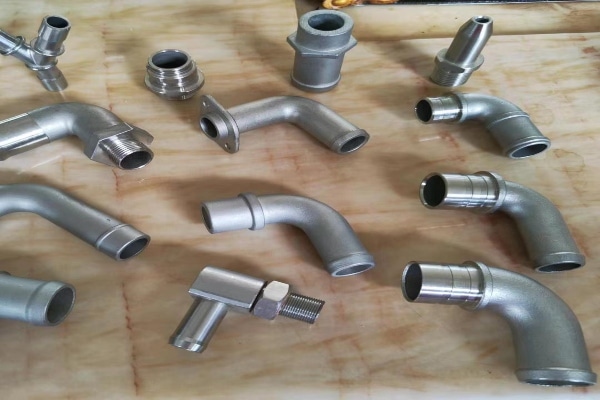
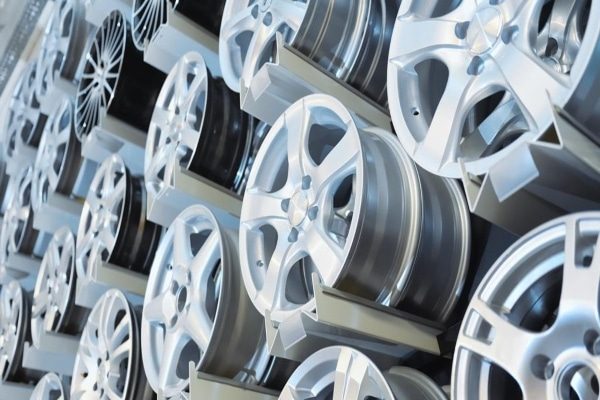
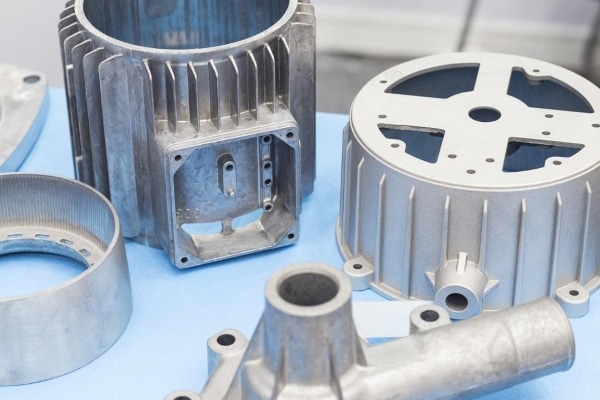
From automobiles and aircraft to heavy machines and machines for industries, metal parts rely on casting for durable, strong, and complex metal parts with effective production at an affordable price. For both bulk production and small prototyped parts, metal parts have a go-to source: metal parts through casting.

Casting Services in Australia

How Does Casting Work?

The casting process is a high-precision manufacturing technique in which molten metal is poured into a mould to adopt the desired shape. There are two techniques, namely mould or die and pattern-based, depending on the requirements and complexity of the production. Both techniques have their suitability for repetitive and high accuracy production.

  • Pattern - A larger model of the completed part, most commonly fabricated of metal, plastic, or wood, for use in shaping out the mould.
  • Core and Cavity - The cavity forms the exterior of a casting, while the core creates inner details like channels and holes.
  • Gating System - A network of channels (sprues, runners, and gates) that directs molten metal from the furnace into the mould.
  • Riser - A reservoir in the mould that supplies extra molten metal to prevent shrinkage defects.

We at Zeal 3D optimize every single stage of the casting process for accuracy, durability, and perfect quality, and in that manner become a reliable ally for industries worldwide.

Types of Casting Processes

Casting is a general-purpose technology for producing goods, and it can be utilized in a variety of industries. At Zeal 3D, we specialize in a variety of processes in an effort to cater to automotive, aerospace, and heavy engineering sectors. Let’s have a glimpse at a variety of our most significant types of casting:

1. Sand Casting

One of the most traditional and least costly processes for metal casting, sand casting, utilizes a mould that is made out of wet (green) sand. Metal in a molten form is filled in the mould, cooled, and then extracted when the mould is broken apart to reveal the completed part.

  • Optimum for larger, complex metal parts
  • Utilised in car parts, automotive blocks, and machinery in industries

2. Investment Casting (Lost Wax Casting)

The complex process involves creating a wax model, dipping it in ceramic to form a mould, and then replacing wax with molten metal subsequently. It creates a high level of surface finish and high tolerance, and for that reason, it is ideal for complex parts.

» Read More

  • Most finest, most sensitive, most high-tech parts
  • Utilised in medical implants, aeronautics, and high-tolerance parts for industries

3. Plaster Casting

Similar to sand casting but with a substitution with plaster moulds, such a technique can make parts with high detail and a polished finish. Due to its fragility, it is, nevertheless, used for lighter metal such as aluminium and zinc.

  • Optimum for thin-wall, complex structures
  • Utilised in medical, artistic, and aeronautic application

4. Die Casting

In this technique, liquid metal is injected into a hardened steel mold under extreme pressure, achieving swift output and dimensional consistency. It is most frequently used for high-rate production of strong, uniform parts.

  • Optimum for bulk metal parts
  • Utilised in automotive parts for cars, consumer electronic items, and appliance enclosures

5. Centrifugal Casting

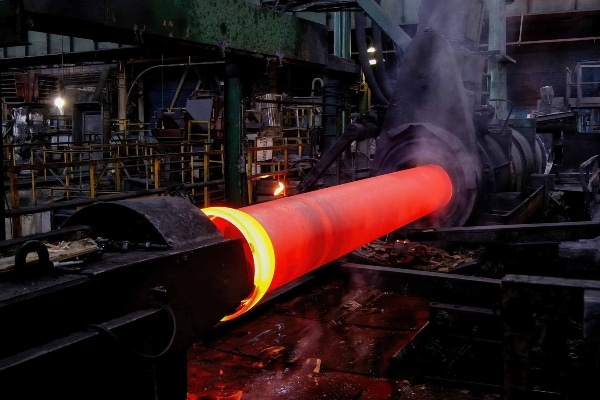
The process utilises centrifugal force to drive molten metal into a whirling mould, producing high density, perfect cylindrical parts. It’s the most preferred process for wear and tear resistance and for integrity in structures.

  • Optimum for flawless tubes, bearings, and thick-rimmed rings
  • Utilised in pipelines, aeronautic bearings, and roller bearings in industries

We at Zeal 3D deliver complete casting solutions for your specific project requirements. Whatever your requirements for prototypes, custom samples, or full production, we assure accuracy, efficiency, and perfection in each and every cast part.

» Close

Types of Casting Processes
Casting Materials

Materials Used in Casting

The choice of casting material depends on factors like strength, durability, environmental exposure, and intended application. At Zeal 3D, we utilize a range of high-performance metals and alloys to deliver superior quality, long-lasting cast components. Some of the materials that are usually used in metal casting are explained below

1. Ferrous Metals

These are strong metals that have iron and can withstand high temperatures. They are widely used in tough applications because of their strength and resistance to heat.

  • Cast Iron – Excellent wear resistance, high compressive strength, and good machinability. Commonly used in engine blocks, pipes, and industrial machinery.
  • Steel – A hard, strong metal which does not rust easily. It is used in the manufacture of airframes, cars, and other types of large structures.
  • Stainless Steel – It has resistance to corrosion and oxidation hence being suitable in surgical, food related industries and shipbuilding.

» Read More

2. Non-Ferrous Metals

These metals are lighter because they are not made of iron, and they also do not easily get rusted or corroded.

  • Aluminum – It has low weight, high corrosion resistance and is also very good in electricity conduction. It is common in manufacturing sectors such as automotive, aerospace, and consumer electronics.
  • Copper – It has excellent ability to conduct electricity and heat, hence is very popular in the electrical sector and plumbing industry.
  • Brass & Bronze – These are corrosion resistant alloys applied in decorative, marine, and industrial sectors.
  • Zinc - It has good strength and flexibility, hence it is mostly used in the die casting of motor spares and other engineering fittings.
  • Magnesium – It is the lightest among all casting metals that are used for constructing purposes; it helps in reducing weight in cars and planes.

As the best casting manufacturers, we select materials to your specifications for best performance, durability, and compliance with your industry requirements. Regardless of your requirements, high temperature, high strength, and lightweight cast parts, we deliver high-performance engineered parts that exceed your expectations.

» Close

Advantages of Casting

1. Complex Structures and Intricate Designs

The casting process enables one to make complex and sophisticated forms and complex detail work, which cannot be produced through conventional techniques. With casting, one can make thin walls, delicate inner detail, and non-conventional forms, and therefore, it is ideal for parts with high detail work.

2. Cost-Effective for Large-Scale Production

Once the metal casting mould is prepared, casting allows for production of many units at lower prices. It is therefore suitable for bulk production, minimizing material wastage as well as cutting down on labour cost.

3. Wide Range of Materials

It can cast different types of ferrous and non-ferrous metals like aluminium, steel, brass, or magnesium alloys. It can allow for parts with certain mechanical and environment requirements, and for industries such as automotive, aerospace, and manufacturing industries can utilise it.

» Read More

4. High Strength and Durability

The products produced via casting exhibit high mechanical performance and durability. Steel castings, for instance, exhibit high acceptance for high stress and harsh working environments and, therefore, it best fits industries with strong, reliable parts requirements.

5. Minimal Material Waste

Casting uses molten metal while machining cuts out chunks from solid blocks; therefore, the former leaves little scrap or waste compared to the latter. It melts only the necessary amount of metal and leaves out the rest to waste.

6. Scalable for Different Production Needs

Casting suits any kind of project requirement, including a simple prototype, low quantity batches or high volume manufacture.

7. Customisation and Versatility

Different casting techniques like sand, die, and investment casting can be employed to manufacture components having unique paint coats, feel, and working qualities as demanded by different sectors.

» Close

Benefits of Casting
Applications of Casting

Industrial Applications of Casting

Casting plays a critical role across various industries by providing high-quality, durable components tailored to specific requirements. At Zeal 3D, we deliver precision casting parts for a wide range of sectors. Some of the key industries and the components they rely on include:

1. Automotive Industry
The auto industry reaps the rewards of casting's capacity to create intricate components with high strength and light weight. Cast components are essential for performance, safety, and fuel efficiency. Key components include:

  • Engine blocks
  • Cylinder heads
  • Crankshafts
  • Transmission housings
  • Brake rotors

2. Aerospace Industry

» Read More


Aerospace parts must meet extremely high standards of precision and strength, often under demanding conditions. Casting provides durable, lightweight components capable of handling stress and extreme temperatures, such as:

  • Turbine blades
  • Landing gear components
  • Engine housings
  • Structural frames
  • Aircraft brackets

3. Industrial Machinery
Industrial casting is a dependable means of producing strong spares that can withstand heavy loads and difficult conditions inherent in heavy machinery. These parts are engineered for strength and wear resistance, including:

  • Gearboxes
  • Pump housings
  • Machine tool components
  • Hydraulic valves
  • Shaft assemblies

4. Oil and Gas Industry
The oil and gas industry depends on cast parts to ensure that equipment can withstand tough conditions, and remains safe and efficient in its operations. Key parts include:

  • Valve bodies
  • Pump casings
  • Compressor components
  • Flanges and fittings
  • Pipeline connectors

5. Medical Industry
The medical industry uses casting for highly precise and biocompatible components. These parts must meet stringent regulations for safety and performance. Examples include:

  • Surgical instruments
  • Prosthetic components
  • Medical device housings
  • Orthopedic implants
  • Diagnostic equipment parts

6. Energy Industry
One of the most important uses of casting is in the energy industry, where spares should be resistant enough to high pressure, very hot temperatures, and corrosion. Key parts are:

  • Turbine components
  • Heat exchangers
  • Compressor blades
  • Pressure vessels
  • Generators

At Zeal 3D, we are aware of the particular demands of every sector and offer casting solutions that are tailored to each application's specifications.

» Close

How Does Casting Differ from Other Manufacturing Processes?

Casting is a special manufacturing technique that is incomparable to forging, machining, or injection moulding because of some inherent benefits. Here are some key differences:

1. Difference Between Casting and Forging

Both processes use metal to shape parts, but casting is ideal for shaping complex forms. In a casting, molten metal is filled in a mould and takes its shape. Forging, on the other hand, heats metal and subjects it to compressive loads in shaping less complex forms, with added strength but less complexity.

2. Difference Between Casting and Machining

Casting serves as the best for creating parts with complex shape and minimum loss of material, with molten metal shaping out a mould. On the other hand, machining requires starting with a solid block and removing material (e.g., cutting or drilling), often leading to more waste and longer processing times, but better for precise finishes on simpler shapes.

» Read More

3. Difference Between Casting and Injection Moulding

Casting is used primarily for metal components and larger parts, where molten metal fills a mould. Injection moulding, on the other hand, is for creating plastic or small metal parts through injecting molten matter in a mould under high pressure, and hence, it is best for high-rate production of simple, small parts.
Although all these techniques are useful in their own way, casting remains efficient in manufacturing complex, voluminous, and strong metallic objects.

» Close

Zeal 3D for Casting Services

Why Choose Zeal 3D for High-end Casting Services?

At Zeal 3D, we combine years of expertise, revolutionary technology, and a commitment to excellence to deliver high-quality casting solutions tailored to your specific needs. Here’s why you should choose us for your next casting project:

1. Expertise and Experience: We bring years of expertise in casting technology to every project, with a deep understanding of both processes and materials with marketplace requirements. Our engineers and technicians are so well-versed in the field that they can produce dependable, high-quality goods that both meet and surpass your expectations.

2. Advanced Technology: We make use of highly sophisticated casting methodologies at Zeal 3D to bring your projects to life. With our application of high-tech mould-making technology, 3D printing, and computer-aided engineering, we apply the best tools in practice to impart accuracy and efficiency in each and every product that we make. We also ensure that every component is crafted with speed and accuracy, reducing lead times without sacrificing quality.

» Read More

3. Customized Solutions: Every project is unique, and we value each one of them for its individuality. We collaborate closely with customers so that we can know what they exactly require and provide them with customized casting services. Whether you need a small batch of samples or high-rate production, we ensure that each and every piece fits perfectly in place as per your specifications.

4. High-Quality Casting Materials: We utilise high-quality ferrous and non-ferrous metal, alloys, and materials for increased durability, performance, and added strength. All parts have been engineered to stand up to even the most hostile environments, offering long-term value.

5. Competitive Pricing: At Zeal 3D, we believe that top-tier quality shouldn’t come at a premium. We provide cost-effective casting solutions, ensuring you get the best value for your investment, whether it’s a small batch or a large-scale production.

6. Fast Turnaround Times: We value your time. Our efficient production operations allow us to deliver timely casting services without compromising on quality, getting your parts to you when you need them most.

7. Superior Customer Service: At Zeal 3D, we believe in building relationships, not just completing projects. From the first consultation to project completion, our dedicated team provides exceptional support. We’ll address every detail and ensure that your casting project goes smoothly from start to finish.

» Close

TOP
Get a Free Quote