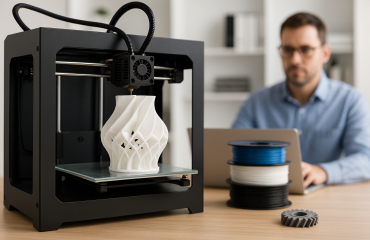
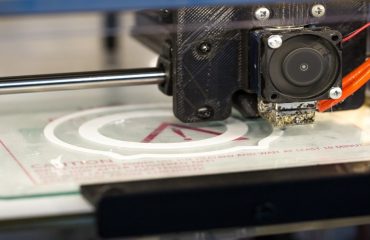
The manufacturing industry in Brisbane plays a significant role in the city’s economy, contributing to its growth and employment opportunities. Brisbane is home to several key industries, including advanced manufacturing. Advanced manufacturing in Brisbane benefits significantly from its status as an aerospace hub, with major aerospace companies, such as Airbus Australia and Boeing Northrup Grumman, having a presence in the city.
Brisbane’s manufacturing sector is diversified, encompassing various industries such as health, tourism, property and construction, logistics, and business services. This diversification highlights the city’s ability to adapt to changing market demands and leverage its expertise in different sectors.
The City of Brisbane makes a substantial contribution to the economy of Queensland. In 2021/22, it accounted for 35.5% of Queensland’s employment and 38.3% of its value added. These figures demonstrate the significance of the manufacturing industry in Brisbane’s overall economic landscape.
Furthermore, Queensland has numerous institutes, facilities, and organisations involved in advanced manufacturing research and development. This collaborative environment, combined with a supportive policy framework, has helped the manufacturing industry in Brisbane and Queensland become increasingly knowledge-intensive and innovative.
Overall, the manufacturing industry in Brisbane is a vital component of the city’s economic growth, providing employment opportunities and contributing to its monetary value. The city’s focus on advanced manufacturing and its diverse range of industries showcases its commitment to innovation and adaptation in the manufacturing sector.
Understanding Hybrid Manufacturing
Hybrid manufacturing refers to the amalgamation of two or more distinct techniques or technologies into a unified, integrated system within the manufacturing process. This integration allows for the benefits and capabilities of each process to be leveraged in a complementary manner, resulting in a more versatile and efficient manufacturing approach.
The concept of hybrid manufacturing emerged from the need to address the limitations of traditional manufacturing methods, such as subtractive (material removal) and additive (material addition) processes. By combining these techniques, manufacturers can utilise each method’s strengths while mitigating their weaknesses.
Key components of hybrid manufacturing often include:
- Additive Manufacturing (AM): This entails incrementally adding layers of material to form a three-dimensional object. Common forms of AM include 3D printing techniques like Fused Deposition Modelling (FDM), Stereolithography (SLA), and Selective Laser Sintering (SLS).
- Subtractive Manufacturing: It involves removing material from a workpiece to achieve the desired shape or form. Common examples include milling, turning, and drilling.
- Joining Processes: Hybrid manufacturing may also involve various techniques for joining components, such as welding, brazing, or adhesive bonding.
- Material Deposition and Removal: This refers to the processes involved in adding or subtracting material from the workpiece. It can involve a range of tools and techniques, from lasers to cutting tools.
- Sensors and Monitoring Systems: Hybrid manufacturing systems often incorporate sensors and monitoring devices to ensure precision, quality control, and real-time feedback during the manufacturing process.
- Computer-Aided Design and Manufacturing (CAD/CAM): These software tools are crucial for designing parts and generating instructions for manufacturing control.
- Process Control and Automation: Hybrid manufacturing systems frequently incorporate advanced control systems to manage the interplay between different processes and maintain consistent quality.
Importance Of Hybrid Manufacturing In The Modern Industry

The image used for illustration purposes. Zeal 3D is not the owner or creator of the image. (Image Credit : Freepik.com(Licensed))
Hybrid manufacturing, the integration of two or more manufacturing methods, is gaining significant attention in the modern industry. Its importance lies in leveraging the benefits of different manufacturing processes to produce complex and high-quality products that would otherwise be impossible or difficult to achieve using a single method.
- Complex Geometries: Hybrid manufacturing allows for the creating of complex, intricate parts that would be difficult or impossible to produce with traditional methods alone. This is particularly useful in aerospace, medical, and automotive industries, where lightweight, high-strength components with intricate designs are crucial.
- Material Efficiency: Additive manufacturing enables a more efficient use of materials. Instead of starting with a block of material and removing material through machining (which can be wasteful), you add material only where it’s needed. This can lead to substantial material savings.
- Reduced Lead Times: Traditional manufacturing processes often involve multiple steps, including creating specialised tooling and fixtures. Hybrid manufacturing can bypass many of these steps, reducing lead times and allowing for quicker product development and production.
- Customisation and Personalisation: The combination of additive and subtractive techniques allows for customisation on a mass scale. Each part can be tailored to individual specifications without incurring the costs and time associated with custom tooling.
- Prototyping and Rapid Iteration: Hybrid manufacturing is precious in prototyping and product development. It enables swift iterations, enabling designers and engineers to promptly test and enhance their designs, thereby decreasing time-to-market.
- Repair and Maintenance: Hybrid manufacturing can be a game-changer in industries where replacement parts are expensive or complicated to come by. It allows for repairing and reproducing parts that might otherwise be considered obsolete.
- Design Freedom: The ability to integrate both additive and subtractive processes provides designers with unprecedented freedom. They can design with fewer constraints, knowing that the hybrid process can handle complex shapes and internal structures.
- Material Diversity: Hybrid manufacturing allows for the utilization of a diverse array of materials, encompassing metals, polymers, ceramics, and composites. This versatility makes it applicable across various industries, from aerospace to healthcare.
- Reduced Tool Wear and Maintenance: Combining additive and subtractive processes can distribute the wear on tools more evenly. This can lead to longer tool life and reduced maintenance costs.
- Cost-Effectiveness: While additive manufacturing can sometimes be costlier per unit than traditional methods, the overall cost savings can be significant when considering factors like material efficiency, reduced lead times, and the ability to create complex geometries.
- Sustainability: Hybrid manufacturing contributes to a more environmentally friendly production process by reducing material waste and using more sustainable materials.
- Quality Control: The integrated nature of hybrid manufacturing allows for more precise control over the production process, leading to higher quality and consistency in the final product.
Application Areas Where Hybrid Manufacturing Is Suitable
Hybrid manufacturing finds applications in various industries where the integration of additive and subtractive processes offers unique advantages. Here are some of the notable application areas:
Aerospace:
- Complex Components: Hybrid manufacturing produces intricate, lightweight components like turbine blades, brackets, and structural elements.
- Reduced Weight: Aerospace parts can benefit from reduced weight without sacrificing strength by optimising internal structures and using lightweight materials.
Medical and Healthcare:
- Patient-Specific Implants: Hybrid manufacturing enables the creation of customised implants tailored to a patient’s anatomy, improving comfort and performance.
- Dental Prosthetics: It’s used to fabricate dental crowns, bridges, and other prosthetic components with high precision and personalised fit.
Automotive:
- High-Performance Parts: Hybrid manufacturing produces high-precision components with complex geometries, such as engine parts and lightweight structures.
- Prototyping: Rapid prototyping and iterative design changes are facilitated, allowing for faster product development cycles.
Tool and Die Making:
- Custom Tools: Hybrid processes create specialised tools and dies with intricate features and tight tolerances.
Electronics and Semiconductor:
- Miniaturised Components: Hybrid manufacturing enables the production of tiny, intricate components used in electronics, sensors, and microdevices.
- Functional Prototypes: It creates functional prototypes for testing and development in the electronics industry.
Energy and Power Generation:
- Renewable Energy Components: Hybrid manufacturing produces parts for renewable energy technologies like wind turbine blades, solar panels, and components for energy storage systems.
- Gas Turbine Components: These are used to create high-strength, high-precision components for gas turbines.
Oil and Gas:
- Downhole Tools: Hybrid manufacturing creates specialised tools and components designed specifically for use in the exploration and production of oil and gas, including items like drill bits and sensor enclosures.
- Corrosion-Resistant Components: Components can be manufactured with specific materials and coatings to withstand harsh environments.
Defence and Aerospace Defence:
- Critical Components: Hybrid manufacturing produces essential components for military applications, such as jet engine parts and munitions.
- Rapid Prototyping: It’s employed to iterate and develop prototypes for defence applications quickly.
Marine and Shipbuilding:
- High-Performance Ship Components: Hybrid processes produce components that require high strength, corrosion resistance, and complex geometries.
- Propellers and Impellers: These critical components can be produced precisely using hybrid manufacturing.
Consumer Goods:
- Customised Products: Hybrid manufacturing enables the production of customised consumer goods, such as jewellery, fashion accessories, and speciality products.
Research and Development:
- Experimental Prototypes: Hybrid processes are employed in research settings to create experimental prototypes and models for testing and development.
General Manufacturing:
- Complex Components: Hybrid manufacturing can be used in various industries to produce complex components that require a combination of additive and subtractive techniques.
Overall, hybrid manufacturing’s adaptability and versatility make it suitable for various industries, particularly those that demand complex, precise, and customised components. It offers the potential to revolutionise how many products are designed and manufactured.
Exploring 3D Printing in Brisbane

The image used for illustration purposes. Zeal 3D is not the owner or creator of the image. (Image Credit : Freepik.com(Licensed))
Brisbane, Australia, has been experiencing significant growth in its 3D printing industry. This innovative sector has been making remarkable strides, propelled by technological advancements, increased accessibility of 3D printing equipment, and a growing community of enthusiasts, startups, and established companies. The city’s vibrant entrepreneurial spirit and intense focus on technology and innovation have contributed to the flourishing 3D printing ecosystem.
One of the key drivers of the 3D printing industry in Brisbane is the presence of numerous specialised businesses and startups. These range from boutique 3D printing shops catering to hobbyists and small-scale projects to more advanced enterprises providing industrial-grade 3D printing solutions. These businesses have carved out niches in various sectors, including healthcare, aerospace, automotive, and architecture. They offer multiple services, from rapid prototyping to custom production runs, allowing for different applications.
Moreover, Brisbane’s educational institutions and research centres have played a pivotal role in nurturing the 3D printing industry. Universities and technical colleges in the city have established dedicated labs and research facilities, fostering an environment for experimentation and innovation. This has led to groundbreaking developments in materials science, printing techniques, and the integration of 3D printing with other technologies like AI and robotics.
The collaborative spirit within the 3D printing community in Brisbane has also been instrumental in driving progress. Networking events, meetups, and conferences bring together professionals, researchers, and hobbyists, creating fertile ground for knowledge exchange and cross-pollination of ideas. This collaborative ethos has led to the emergence of cutting-edge projects and startups, positioning Brisbane as a hub for 3D printing innovation in the Asia-Pacific region.
However, it’s important to note that the industry has its challenges. Regulatory frameworks and intellectual property issues are areas that continue to evolve as 3D printing becomes more prevalent in manufacturing and production. Additionally, ensuring sustainability in materials and processes is a growing concern as the industry strives to minimise its environmental footprint.
Brisbane’s 3D printing industry has seen impressive growth and development, owing to a combination of entrepreneurial spirit, educational support, and a strong sense of community.
With a diverse range of businesses and research initiatives, the city has established itself as a significant player in the global 3D printing landscape. As technology continues to advance and collaborative efforts persist, Brisbane is poised to remain at the forefront of 3D printing innovation in the years to come.
Type of 3D Printers
Fused Deposition Modelling (FDM) / Fused Filament Fabrication (FFF):
- Description: FDM is among the most popular and widely used 3D printing technologies. It works by extruding a thermoplastic filament layer by layer to create an object.
- Materials: PLA, ABS, PETG, TPU, etc.
Stereolithography (SLA):
- Description: SLA uses a UV laser to solidify a liquid resin, layer by layer, to build a model.
- Materials: Photopolymer resins
Digital Light Processing (DLP):
- Description: Similar to SLA, DLP uses a light source to cure liquid resin by projecting an entire layer simultaneously.
- Materials: Photopolymer resins
Selective Laser Sintering (SLS):
- Description: SLS uses a high-powered laser to sinter (heat and fuse) powdered material, typically a thermoplastic or a metal, layer by layer.
- Materials: Nylon, TPU, metal powders, etc.
Multi Jet Fusion (MJF):
- Description: This HP-developed technology applies fusing and detailing agents selectively onto a bed of nylon powder. Then, a heating element fuses the powder.
- Materials: Nylon
Binder Jetting:
- Description: Binder jetting builds an object by selectively depositing a liquid binding agent onto a bed of powder material.
- Materials: Sand, metal, ceramic powders, etc.
Material Jetting:
- Description: Similar to inkjet printing, material jetting selectively deposits droplets of photopolymer materials, which are then cured with UV light.
- Materials: Photopolymer resins
Laminated Object Manufacturing (LOM):
- Description: LOM builds an object layer by layer from sheets of material (usually paper or metal) that are bonded together and then cut into the desired shape.
- Materials: Paper, metal, plastic-coated paper, etc.
Electron Beam Melting (EBM):
- Description: EBM uses an electron beam to melt metal powder layer by layer in a vacuum.
- Materials: Metals and alloys
Directed Energy Deposition (DED):
- Description: DED employs a concentrated energy source, be it a laser or an electron beam, to liquefy and bond material as it is applied.
- Materials: Metal powders
Continuous Liquid Interface Production (CLIP):
- Description: CLIP uses a liquid resin cured by UV light projected through an oxygen-permeable window. It allows for faster printing compared to traditional SLA.
- Materials: Photopolymer resins
Leveraging CNC Machining in Brisbane

The image used for illustration purposes. Zeal 3D is not the owner or creator of the image. (Image Credit : Freepik.com(Licensed))
The CNC machining industry in Brisbane, Australia, is a testament to the city’s vibrant manufacturing sector. Brisbane, often called the ‘New World City’, has witnessed a remarkable surge in CNC (Computer Numerical Control) machining enterprises over the past few decades. These sophisticated facilities utilise advanced computer technology to precisely shape and manipulate raw materials into intricate components, ranging from aerospace parts to medical devices. This thriving industry has become integral to Brisbane’s economic landscape, contributing significantly to local employment and global trade.
One of the key strengths of the CNC machining sector in Brisbane lies in its technological prowess. The city boasts cutting-edge machining facilities equipped with state-of-the-art CNC machines. These machines operate with exceptional precision, ensuring that even the most complex designs are executed impeccably. This technological edge has attracted a diverse range of clientele, including industries like aerospace, automotive, healthcare, and electronics, seeking reliable and high-precision manufacturing solutions.
Moreover, the CNC machining industry in Brisbane is characterised by a culture of innovation and adaptability. Local companies quickly embrace advancements in automation, artificial intelligence, and Industry 4.0 technologies, enhancing efficiency and productivity. This forward-thinking approach has positioned Brisbane’s CNC machining sector as a competitive player in the global market, catering to clients with stringent quality and performance requirements.
In addition to technological proficiency, the industry significantly emphasises skilled labour. Brisbane hosts a pool of highly trained machinists, engineers, and technicians adept at operating and programming CNC machines. This expertise is essential for optimising production processes, minimising waste, and ensuring that every manufactured component meets stringent quality standards. Moreover, the industry’s commitment to continuous training and professional development underscores its dedication to maintaining a skilled and adaptable workforce.
Moreover, Brisbane’s CNC machining sector is characterised by a dedication to sustainability and environmental stewardship. Many businesses in this sector have adopted eco-friendly practices, such as utilising advanced cooling systems to reduce energy consumption and implementing recycling programmes for scrap materials. This conscientious approach aligns with global sustainability goals and positions Brisbane’s CNC machining industry as a responsible and forward-thinking contributor to the local economy.
The CNC machining industry in Brisbane stands as a dynamic and technologically advanced sector that plays a pivotal role in the city’s economic landscape. Focusing on precision, innovation, skilled labour, and sustainability, this industry has earned its reputation as a competitive force in the global manufacturing arena. As Brisbane continues to evolve as a hub for advanced manufacturing, the CNC machining industry is poised to remain a cornerstone of its economic growth and prosperity.
CNC Machining Process And Equipment
CNC, or Computer Numerical Control machining, is a manufacturing process to create parts and components from various materials like metal, plastic, wood, and composites. It’s an exact method that relies on computer-controlled machines to remove material from a workpiece, following programmed instructions.
Here’s an overview of the CNC machining process and the equipment involved:
CNC Machining Process:
- Design and CAD Modelling: The process typically begins by generating a Computer-Aided Design (CAD) model that accurately depicts the part or component intended for production. This three-dimensional model acts as the guiding template for the machining phase.
- CAM Programming: The CAD model is imported into CAM (Computer-Aided Manufacturing) software. CAM software generates toolpaths, which are the instructions that guide the CNC machine on how to move and cut to create the desired part.
- Material Selection and Setup: The appropriate material, such as a metal stock or a plastic block, is chosen based on the specifications provided by the CAD model. This material is secured onto the CNC machine’s work table.
- Loading Programme: The CAM with toolpaths is loaded into the CNC machine’s control unit. This programme contains all the necessary information for the machine to operate machining.
- Machine Setup: The machine must be correctly set up before machining. This involves loading the correct cutting tools, securing the workpiece, and setting up the tool offsets.
- Machining Operations: The CNC machine performs machining operations based on the programmed toolpaths. The cutting implements eliminate material from the workpiece in order to form the intended shape.
- Quality Control: Throughout the process, operators may periodically check the workpiece dimensions using precision measuring instruments to ensure they meet the required specifications.
- Finishing Operations (Optional): Depending on the design, finishing operations like polishing, painting, or coating might be performed after the initial machining.
CNC Machining Equipment:

The image used for illustration purposes. Zeal 3D is not the owner or creator of the image. (Image Credit : Freepik.com(Licensed))
- CNC Machine Tools: Various types of CNC machines are designed for specific machining operations. Some common types include:
- Milling Machines: These remove material from a workpiece by rotating a cutting tool against it. There are vertical and horizontal milling machines.
- Turning Machines (Lathes): These rotate the workpiece while a cutting tool is moved along its surface.
- Drilling Machines: These create holes in a workpiece.
- Grinding Machines: These are used for the precision finishing of surfaces.
- Workholding Devices: Secure the workpiece to the machine’s table or spindle. They can be clamps, vices, chucks, or specialised fixtures.
- Cutting Tools: These include end mills, drills, turning tools, and other specialised tools. They are selected based on the material being machined and the desired outcome.
- Tool Changer (if applicable): CNC machines with multiple tools may have an automatic tool changer that swaps out tools as needed during the machining process.
- Control Unit: This computer interprets the CAM program and converts it into electrical signals to control the movement of the machine’s axes.
- Coolant System: Many CNC machines use coolants like oil or water to lubricate and cool the cutting tools, which helps prolong tool life and improve surface finish.
- Safety Features: CNC machines are equipped with various safety features like emergency stop buttons, interlocks, and guards to ensure the safety of operators.
Benefits of Integrating 3D Printing and CNC Machining in Brisbane
Integrating 3D printing and CNC machining can offer several significant benefits in manufacturing and prototyping processes. Here are some of the key advantages:
- Complementary Technologies: 3D printing and CNC machining have strengths and weaknesses. Integrating them allows you to leverage the benefits of both technologies, creating a synergistic approach to manufacturing.
- Reduced Material Waste: 3D printing can generate parts with minimal material waste because it builds up structures layer by layer. CNC machining, on the other hand, starts with a block of material and subtracts material to form the final shape. By combining these processes, you can minimise waste.
- Improved Surface Finish: CNC machining produces smoother surface finishes than 3D printing. You can achieve a high-quality surface finish by using 3D printing to create the initial shape and then finishing it with CNC machining.
- Complex Geometries: 3D printing stands out in its ability to fabricate intricate, complex, and organic forms that would pose significant challenges or even be unattainable through conventional subtractive techniques alone. CNC machining can be used to fine-tune and refine these complex geometries.
- Speed and Efficiency: 3D printing is often faster for producing complex prototypes or small batches of parts. Integrating CNC machining allows for speedier finishing and precision adjustments, enabling quicker turnaround times.
- Material Compatibility: 3D printing supports various materials, including plastics, metals, ceramics, and composites. CNC machining can handle a broader selection of materials, including metals, plastics, wood, and more exotic materials like titanium or carbon fibre. Integrating both technologies expands the material options available for production.
- Strength and Durability: CNC machining can reinforce or enhance the structural integrity of 3D-printed parts. For example, a 3D-printed part might be used as a base structure and then machined to add metal components or for surface treatments that increase strength.
- Cost-Effectiveness: Combining 3D printing and CNC machining can be more cost-effective than using one technology exclusively. You can optimise costs by using 3D printing for rapid prototyping and CNC machining for production runs.
- Tooling and Jig Creation: 3D printing helps create custom tooling, fixtures, and jigs. These aids can be designed and printed quickly, then finished with CNC machining for precise tolerances.
- Customisation and Personalisation: The combination of 3D printing and CNC machining enables a high degree of customisation. This is particularly beneficial for producing bespoke or low-volume parts tailored to specific requirements.
- Iterative Design Process: Integrating both technologies supports an iterative design process. You can quickly create prototypes with 3D printing, evaluate them, make necessary adjustments, and then use CNC machining to produce the final, refined version.
- Reduced Post-Processing Time: 3D printed parts often require post-processing to remove support structures and achieve the desired finish. By incorporating CNC machining, you can reduce the amount of post-processing needed, saving time and effort.
The integration of 3D printing and CNC machining offers a versatile and powerful approach to modern manufacturing and prototyping, enabling greater flexibility, efficiency, and quality in production processes.
How can businesses in Brisbane Adopt and Implement Hybrid Manufacturing to Their Advantage?

The image used for illustration purposes. Zeal 3D is not the owner or creator of the image. (Image Credit : Freepik.com(Licensed))
Implementing hybrid manufacturing can be a strategic move for businesses in Brisbane or any location. Hybrid manufacturing combines traditional processes with advanced technologies like additive manufacturing (3D printing) and digital technologies. This can lead to heightened efficiency, lowered expenses, and enhanced product quality. Here are steps that businesses in Brisbane can take to adopt and implement hybrid manufacturing:
- Conduct a Technology Assessment:
- Conduct a comprehensive assessment to scrutinise and thoroughly analyse the prevailing manufacturing processes and technologies currently in operation within the organisation. This meticulous evaluation will provide a detailed understanding of the existing methods and tools employed in the production process.
- Systematically pinpoint specific domains within the manufacturing workflow where the seamless integration of hybrid manufacturing techniques can yield optimal advantages, optimising processes and enhancing overall operational efficiency. This discerning approach ensures that the implementation of hybrid manufacturing is strategically targeted for maximal impact.
- Invest in Additive Manufacturing (3D Printing):
- Strategically invest in acquiring cutting-edge 3D printing capabilities, encompassing the gamut of rapid prototyping, tooling, and potentially even the full-scale production of select components. This forward-thinking move empowers the organisation with a versatile and innovative manufacturing arsenal, poised to revolutionise product development and production processes.
- Establish a comprehensive training programme designed to upskill existing personnel or alternatively, consider augmenting the workforce with adept experts dedicated explicitly to the proficient operation and meticulous maintenance of the acquired equipment. This proactive approach ensures an experienced and knowledgeable team capable of maximising the potential of the new 3D printing capabilities.
- Implement IoT and Sensors:
- Integrate a sophisticated network of Internet of Things (IoT) devices and advanced sensors seamlessly into the manufacturing environment, strategically positioned to capture and relay invaluable real-time data emanating from every facet of the intricate manufacturing process. This integrated system empowers the organisation with a comprehensive and dynamic data-gathering framework, facilitating unparalleled insights for enhanced decision-making and process optimisation.
- Harnessing this rich trove of real-time data opens up multifaceted opportunities for process optimisation, meticulous quality control, and implementing forward-looking predictive maintenance strategies. Leveraging this extensive dataset empowers the organisation to fine-tune operations, elevate product quality assurance, and proactively address potential maintenance issues before they escalate, culminating in heightened operational efficiency and sustained excellence in manufacturing practices.
- Utilise CAD and CAM Software:
- Employ state-of-the-art Computer-Aided Design (CAD) and Computer-Aided Manufacturing (CAM) software suites to intricately design and meticulously programme components, ensuring they are impeccably tailored for the manufacturing process. This integrated software-driven approach streamlines the design-to-production workflow and affords a comprehensive platform for iterative refinement, resulting in optimised componentry that aligns seamlessly with manufacturing requirements.
- This robust CAD and CAM software utilisation expedites the design and programming phases. It is a linchpin for enabling the seamless integration and harmonious convergence of traditional manufacturing methodologies with cutting-edge additive manufacturing processes, achieving a synergistic and highly efficient production ecosystem.
- Embrace Automation and Robotics:
- Integrate robots and automated systems to handle repetitive tasks, freeing human resources for more complex activities.
- This can enhance efficiency and precision in the manufacturing process.
- Implement Digital Twins:
- Create digital representations of physical objects or systems to simulate and monitor performance.
- This allows for virtual testing and optimisation before physical production.
- Train and Upskill Workforce:
- Provide training programmes to upskill existing employees in the new technologies being implemented.
- Hire experts or partner with educational institutions to bridge any skill gaps.
- Establish a Cross-Functional Team:
- Form a team consisting of engineers, designers, IT specialists, and manufacturing experts to oversee the implementation of hybrid manufacturing.
- Focus on Quality Assurance and Control:
- Enforce rigorous quality control protocols to guarantee that products adhere to the specified standards.
- Utilise advanced inspection techniques and equipment, including non-destructive testing methods.
- Collaborate with Research and Development Institutions:
- Partner with local universities or research institutions to stay updated on the latest advancements in hybrid manufacturing technologies.
- Explore opportunities for joint research or development projects.
- Stay Informed about Regulations and Standards:
- Keep abreast of any local or international regulations that may impact the implementation of hybrid manufacturing.
- Ensure compliance with industry standards and certifications.
- Monitor and Evaluate Performance:
- Continuously track key performance indicators (KPIs) related to productivity, cost savings, and product quality.
- Use feedback to make necessary adjustments and improvements.
- Engage with a Network of Manufacturers: Engage actively with industry associations or networks, fostering valuable connections that facilitate the exchange of knowledge, best practices, and innovative strategies among fellow manufacturers based in Brisbane. Employing this cooperative strategy has the potential to foster a more dynamic and mutually advantageous regional manufacturing network.
- Emphasise Sustainability and Green Manufacturing: Consider how hybrid manufacturing can bolster sustainability initiatives, exemplified by its potential to significantly curtail waste production and its capacity to employ environmentally-conscious materials and practices.
In conclusion, the potential benefits of embracing hybrid manufacturing solutions for businesses in Brisbane are undeniable. This innovative approach offers increased efficiency and cost-effectiveness and opens doors to a new realm of possibilities in product customisation and design. As industries evolve and global competition intensifies, staying at the forefront of technological advancements is paramount. Through embracing hybrid manufacturing, enterprises in Brisbane can sustain their competitiveness and take the forefront in shaping the future landscape of the manufacturing industry. The time is ripe for local enterprises to seize this opportunity, leverage the power of hybrid manufacturing, and propel their operations towards tremendous success and sustainability in the dynamic landscape of the 21st century.